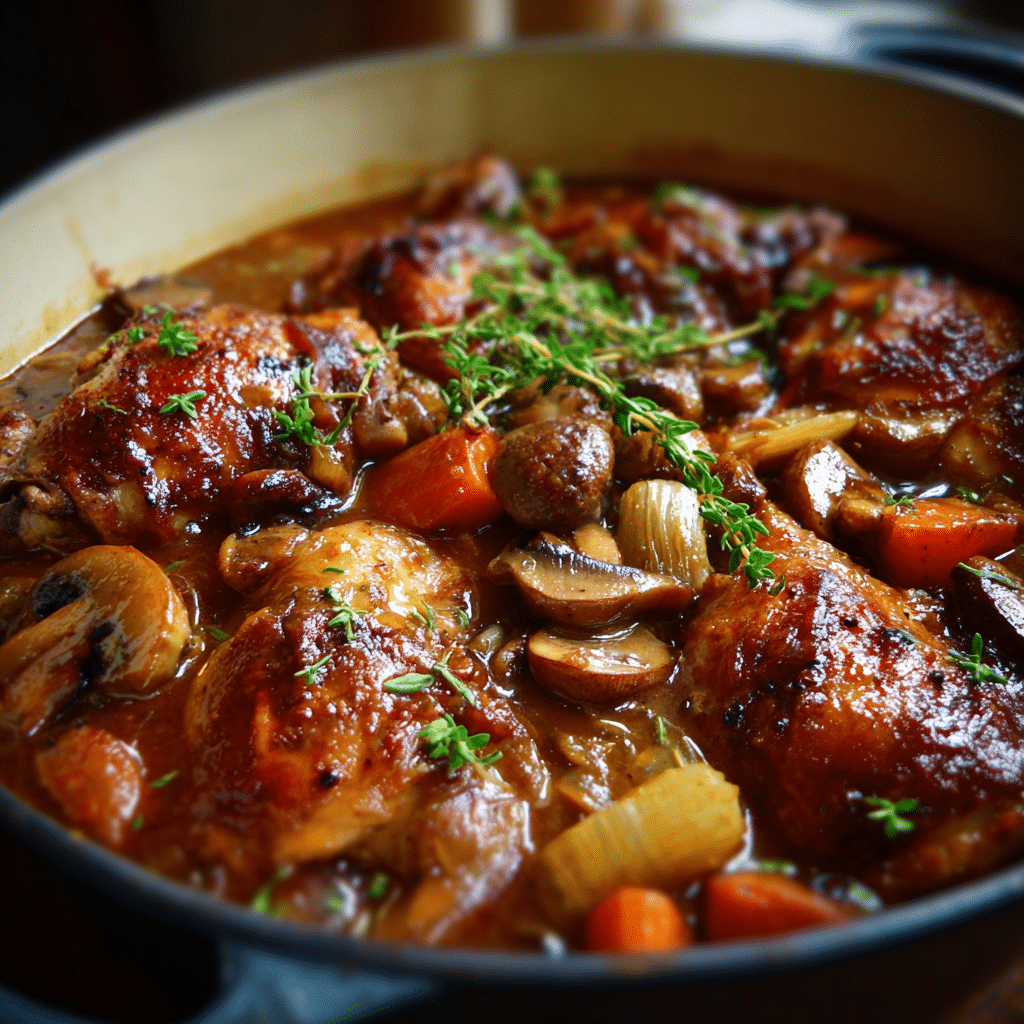
Unlock Flavor: Essential Tips for Perfect Coq au Vin at Home
Imagine being transported to a cozy, dimly lit French bistro, the air thick with the irresistible aroma of rich red wine and savory braised chicken. This isn't just a fantasy; it's the experience that awaits you with a perfectly crafted plate of Coq au Vin. Often perceived as an intimidating, fancy dish reserved for professional chefs, the truth is that this iconic French stew is surprisingly accessible for home cooks. With a bit of patience and the right techniques, you can master this profoundly comforting meal and impress your guests or simply treat yourself to a culinary journey.
At its heart,
classic coq au vin is a testament to the magic of slow cooking, transforming humble ingredients into something extraordinary. It’s a dish that warms you from the inside out, evoking images of crisp autumn days and crackling fires. Forget complicated processes; we're here to demystify this French staple, providing you with all the essential tips to achieve fall-apart tender chicken bathed in a velvety, deeply flavorful red wine sauce, right in your own kitchen.
What is Coq au Vin? Unpacking a French Culinary Icon
Coq au Vin (pronounced
kohk oh VAHN) translates literally to "rooster with wine," hinting at its rustic origins. Traditionally, it was a way to tenderize tougher cuts of meat, particularly older roosters, by slowly braising them in red wine with various aromatics. Today, while you might not be using a rooster, the essence remains: chicken is gently cooked until it achieves an unparalleled tenderness, soaking up the complex flavors of bacon, mushrooms, onions, and, of course, a robust red wine.
Often likened to its beef counterpart, Boeuf Bourguignon, Coq au Vin shares that same hearty, deeply satisfying quality of being quintessential French comfort food. It's a dish that builds layers of flavor, starting with the savory crispness of bacon, moving through the earthy sweetness of sautéed mushrooms and onions, and culminating in a rich, tangy red wine sauce. It’s a dish that feels both elegant and deeply homey, perfect for a relaxed weekend dinner or an impressive gathering.
The Essential Ingredients & Their Role in Building Flavor
While there are regional variations, the core components of a
classic coq au vin remain consistent, each playing a crucial role in the symphony of flavors:
*
The Chicken: Modern recipes typically use a good quality free-range chicken, often cut into pieces (thighs and drumsticks are excellent choices for their tenderness and flavor). The goal is melt-in-your-mouth meat that easily falls off the bone.
*
The Wine: This is arguably the soul of the dish. A dry, medium-bodied red wine is essential. Think Pinot Noir, Burgundy, or a good Côtes du Rhône. Avoid anything too sweet or overly tannic. The general rule is: if you wouldn't drink it, don't cook with it! You don't need an expensive bottle, but a decent quality wine will make all the difference to your sauce.
*
Bacon or Pancetta: The rendered fat is used to brown the chicken and vegetables, while the crispy bits add a smoky, salty depth that is indispensable.
*
Mushrooms & Onions: Earthy cremini or button mushrooms and sweet pearl onions (or even shallots) provide texture and an essential savory-sweet counterpoint to the rich sauce. Julia Child's classic approach, as explored in
Julia Child's Coq au Vin: Master the Classic French Stew, often prioritizes these core elements, focusing intensely on their contribution.
*
Aromatics: Garlic, fresh thyme, and bay leaves infuse the stew with herbaceous notes, enhancing its complexity.
Mastering the Method: Key Tips for a Flawless Coq au Vin
While Coq au Vin involves a few steps and benefits from a bit of time, it’s far from complicated. These tips will guide you to success, even on your very first try.
1. Don't Skip the Marinade (If Time Allows)
While you *can* make Coq au Vin without marinating, allowing the chicken to sit in the red wine with aromatics (like onions, garlic, and herbs) for at least two hours, and ideally overnight, is a game-changer. Traditionally, this step was vital for tenderizing tougher rooster meat. Even with today's more tender chicken, marination deepens the flavor profile of the meat and contributes immensely to a richer, more complex sauce. It ensures every bite of chicken is infused with that signature wine essence.
2. Pat the Chicken Dry – A Crucial Browning Step
This small detail makes a significant difference. Before browning your chicken pieces, ensure they are thoroughly patted dry with paper towels. Excess moisture will steam the chicken rather than sear it, preventing that beautiful golden-brown crust we're after. A well-browned chicken means a more flavorful dish because it contributes to the Maillard reaction – the chemical process responsible for those rich, savory, caramelized flavors.
3. Maximize Flavor: Deglaze Those Brown Bits!
After searing your bacon and browning your chicken, you'll notice delicious caramelized bits, known as
sucs in French, clinging to the bottom of your pot. These are pure flavor gold! Do not waste them. When you add the wine to the pot, vigorously scrape up these brown bits with a wooden spoon. This process, called deglazing, incorporates all that concentrated flavor into your sauce, creating incredible depth and richness. This is a cornerstone of authentic French cooking.
4. To Flambé or Not to Flambé?
Traditionally, a splash of Cognac or brandy is added and then ignited (flambéed) before the main quantity of wine is introduced. This adds a unique depth of flavor and a touch of dramatic flair. If you're comfortable with igniting alcohol in your kitchen, it's a fantastic addition. However, if the idea makes you nervous, you can simply add the brandy and let it simmer for a minute or two to burn off the alcohol before proceeding. The dish will still be delicious.
5. Choose the Right Cooking Vessel
An enameled cast-iron Dutch oven is your best friend for Coq au Vin. Its heavy construction ensures even heat distribution, preventing hot spots and allowing the stew to simmer gently and consistently. The tight-fitting lid keeps moisture locked in, ensuring the chicken remains incredibly tender. If you don't have one, a heavy-bottomed pot with a lid will also work.
6. Embrace the Slow Cook
Coq au Vin is not a quick weeknight meal; it’s a labor of love that rewards patience. The hour-plus of gentle simmering on the stovetop (or in the oven) is what transforms the ingredients, allowing the flavors to meld and the chicken to reach that coveted fall-apart tenderness. This slow cooking process is key to developing the rich, velvety texture of the sauce. Think of it as an immersive cooking experience, perfect for a relaxed weekend. For more on creating this indulgent meal, check out
Classic Coq au Vin: Your Bistro-Style French Comfort Meal.
7. Consider Adding Carrots and Celery
While Julia Child’s original recipe famously omits carrots and celery, focusing intensely on the chicken, mushrooms, and onions, many modern and regional interpretations include them. Adding a mirepoix (carrots, celery, and onions) at the beginning of your cooking process can add another layer of aromatic complexity and subtle sweetness to the sauce, without detracting from the core flavors. It's a matter of personal preference and how much vegetable depth you desire.
Serving Your Perfect Coq au Vin
Once your
classic coq au vin is ready, the serving possibilities are as comforting as the dish itself. Its rich, savory sauce calls for something to soak up every last drop. Traditional accompaniments include:
*
Creamy Mashed Potatoes: An absolute classic pairing, their buttery smoothness provides a wonderful contrast to the robust stew.
*
Egg Noodles: Simple yet effective, they absorb the sauce beautifully.
*
Polenta: Creamy polenta offers a rustic Italian twist that harmonizes wonderfully with the French flavors.
*
Roasted Potatoes: For a heartier option, roasted or even small boiled potatoes tossed in butter and parsley make an excellent side.
Garnish with a sprinkle of fresh parsley for a touch of color and freshness. Coq au Vin also tastes even better the next day, making it an ideal make-ahead meal for entertaining!
Conclusion
Embarking on the journey of making
classic coq au vin at home is more than just cooking a meal; it's an experience. It’s about taking simple, quality ingredients and, through thoughtful technique and a dash of patience, transforming them into a dish that speaks volumes of comfort, elegance, and incredible flavor. From the initial browning of the chicken to the final, slow simmer, each step contributes to a culinary masterpiece that will transport your senses straight to the heart of France. So grab your Dutch oven, uncork a bottle of red, and prepare to unlock the timeless magic of Coq au Vin. Your dinner table (and your taste buds) will thank you.